
If you’re an energy trader, you’re not short on data. You’re drowning in it. The problem is that most of it—from government reports to investor presentations—is backward-looking. By the time it hits your desk, its alpha-generating potential has all but evaporated. The market has already moved, and any edge you might have had is gone.
The next frontier of trading advantage isn’t just about executing trades faster. It’s about fundamentally changing the quality of the data you trade on. The solution lies in integrating advanced AI that doesn’t just analyze old information but generates entirely new, proprietary signals from alternative data. This isn’t a minor upgrade; it’s a paradigm shift in how market intelligence is created and leveraged.
The urgency to adopt these tools is underscored by massive market momentum. The global Energy Trading AI market is projected to surge from USD 1.82 billion in 2024 to USD 13.17 billion by 2033, a clear signal that the industry’s leaders are betting heavily on AI. This article will show you how to move beyond basic automation, what predictive AI looks like for E&P, and how to build the case for upgrading your desk with this game-changing technology.
Key Takeaways
- Delayed Data is a Liability: Traditional E&P data sources like public reports are inherently flawed by significant time lags and frequent revisions, creating a high-risk, low-alpha environment for traders who rely on them.
- AI Generates New Signals: Advanced AI moves beyond simple automation. It processes massive, alternative datasets like satellite imagery to generate predictive, proprietary insights on physical operations weeks ahead of the market.
- Integration Augments Expertise: Successful AI adoption focuses on seamlessly feeding high-value signals into existing workflows via APIs and dashboards. The goal is to augment, not replace, the strategic judgment of experienced traders.
- ROI is Measured in Accuracy: The return on investment for advanced AI is measured by tangible outcomes: improved forecast accuracy, early detection of supply-side trends, and the ability to execute trades based on verified, near real-time physical world activity.
The Shift from Analysis to Generation: What “Advanced AI” Means for Traders
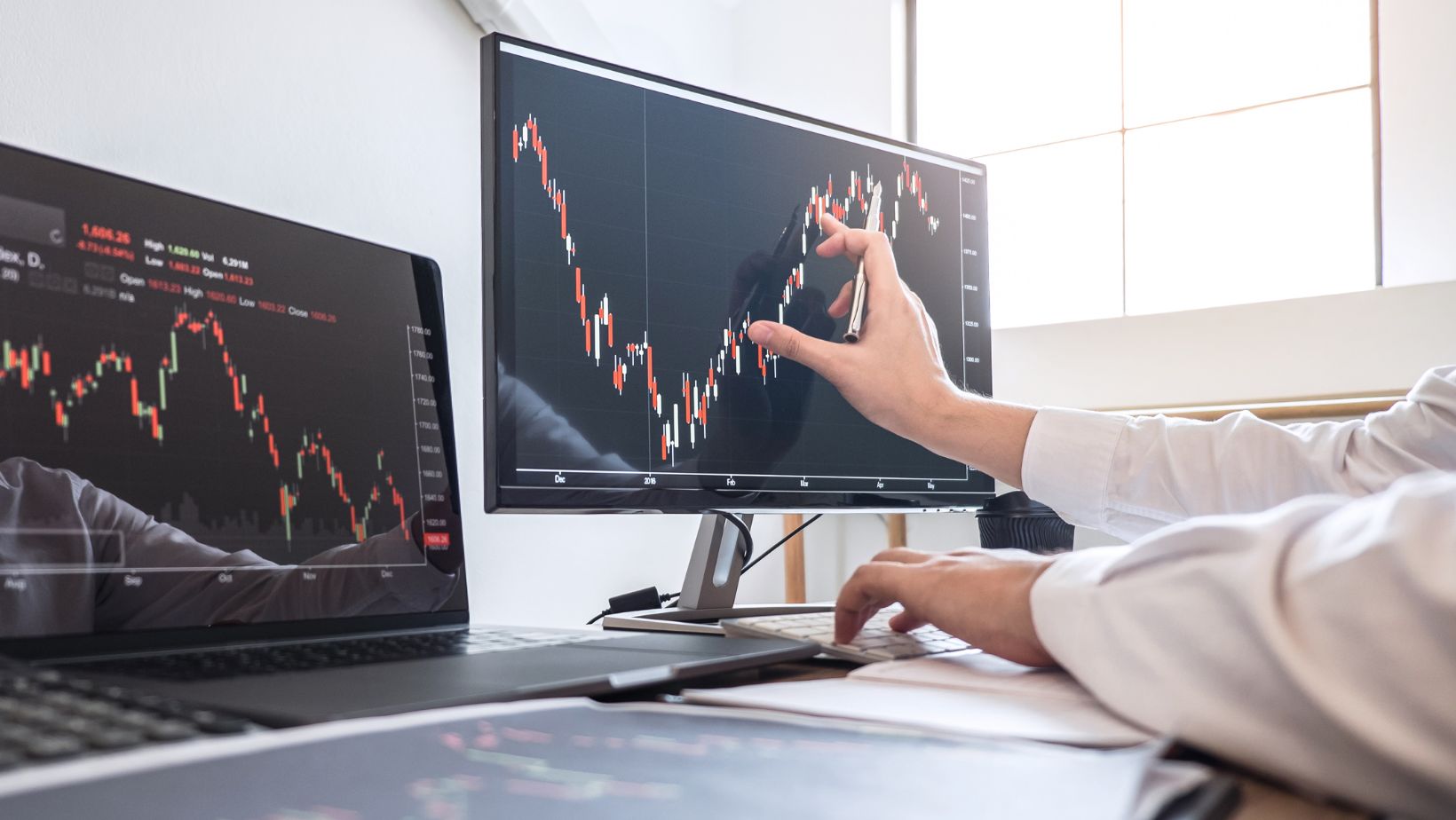
For years, “AI” in trading has been synonymous with algorithmic execution—using machines to place orders faster based on predefined rules. Advanced AI represents a fundamental evolution. It’s not about executing trades faster; it’s about using sophisticated machine learning models to synthesize new, predictive insights from unconventional data sources.
The core capability of this new wave of AI is processing massive, unstructured datasets that are impossible for humans to analyze at scale. Think daily satellite imagery archives, real-time IoT sensor data from equipment, and complex weather patterns. These sources contain subtle indicators of physical world activity that precede market-moving announcements.
A powerful example of this process in action is the fusion of satellite imagery and AI. Models can be trained to scan millions of square kilometers of satellite photos to identify and classify specific E&P assets and activities. This process turns raw pixels into structured, actionable intelligence on drilling rigs, frac crews, and completion activity.
The true competitive edge comes from generating proprietary insights. For instance, traders can now leverage AI-powered E&P operations tracking to monitor drilling, fracking, and completion activities in near real-time, spotting production trends weeks before official reports are released. That kind of early signal becomes even more actionable when viewed alongside U.S. oil and gas drilling activity insights, helping traders interpret how on-the-ground upstream movements may shape broader market sentiment.
This isn’t a niche trend; it’s part of a fundamental technological shift. The broader AI in Energy Market is projected to grow to USD 58.66 billion by 2030, demonstrating the deep, industry-wide investment in this technology.
Putting AI to Work: A Practical Guide to E&P Signal Integration
Understanding the potential of AI is one thing; integrating it into a high-stakes trading workflow is another. Let’s break down how these advanced tools generate signals and, more importantly, how you can get that intelligence to your desk without disrupting your process.
From Satellite Image to Trading Signal: How It Works
To demystify the technology, consider a concrete example. An advanced AI platform continuously scans new satellite images covering a key basin like the Permian or Bakken. The AI models are trained to identify the unique visual signatures of oil and gas operations.
First, the AI detects the creation of a new well pad. It then tracks that location for the arrival of a drilling rig. Once drilling is complete, it watches for the arrival of a frac crew and the associated equipment. This visual data is then quantified into a structured data feed—providing weekly updates on active rig counts, frac crew counts, and even forecasts for when new wells will begin production.
This process creates a near real-time, ground-truth view of supply-side fundamentals. It directly solves the problem of data latency, giving you a window into production trends as they happen, not months later. This isn’t a fringe concept; it’s backed by major players. For instance, the U.S. Department of Energy has committed $67 million to AI projects, signaling strong institutional confidence in AI’s role in the energy sector.
Seamless Integration: Getting AI Data to Your Desk
A powerful signal is useless if it’s difficult to access. The key is seamless integration that complements your existing workflow. The primary delivery methods are designed to cater to different roles on the trading desk.
- Rest API: For the quant trader, an API is the gold standard. It allows for the automated ingestion of structured AI-generated data directly into your proprietary trading models, backtesting platforms, and risk management systems. This enables systematic strategies based on near real-time physical activity.
- Dashboard: For portfolio managers and fundamental analysts, a visual dashboard provides an intuitive interface to explore the data. You can drill down into specific basins, operators, or timeframes to spot emerging trends, conduct ad-hoc research, and validate theses.
- Email Alerts: For staying on top of critical shifts, automated alerts are essential. These can be configured to notify you of significant changes—like a sudden increase in frac crews in a specific region—allowing you to react quickly without being constantly glued to a screen.
The goal is not to create more noise but to deliver focused intelligence
“The trading desks that benefit most from AI… are building the fastest and cleanest line between critical signals and the trades that matter.”
Building Trust: The Critical Role of Accuracy and Verification
For any trader, data accuracy is non-negotiable. A signal you can’t trust is worse than no signal at all. This is why “black-box” AI is not a viable option in a trading environment. You need transparency and confidence in the output.
The best-in-class AI platforms address this through rigorous data verification. This often involves a “human-in-the-loop” process where expert imagery analysts review and confirm the AI’s findings, especially for ambiguous or high-impact events. This combination of machine scale and human expertise creates a highly reliable intelligence feed.
When evaluating a platform, ask about its accuracy metrics. Leading providers can achieve 95-97% accuracy when their real-time data is later compared to official, public sources. The critical difference is that they deliver that highly accurate information weeks or months earlier. Ultimately, AI is meant to augment, not replace, your judgment. It provides a verified, high-confidence signal that empowers you to make smarter, more informed decisions.
Conclusion: Your Desk, Upgraded
We began by acknowledging the core dilemma of modern energy trading: being overwhelmed by slow, noisy data that offers little real advantage. The solution is not another dashboard displaying the same old information. The solution is an engine that generates new, proprietary intelligence.
Advanced AI provides that engine. By turning raw alternative data like satellite imagery into verified, predictive signals on physical E&P activity, it fundamentally changes the game. It gives you a view of the real world that your competitors simply cannot see.
Upgrading your desk is about integrating a feed of near real-time, ground-truth intelligence that sharpens your forecasts and validates your strategy. In a market where speed and accuracy define winners and losers, integrating advanced AI is no longer an option—it’s the new cost of competition.