
Theatrical costumes are an integral component of any performance as they help to transport audiences to different eras while also revealing the personality, status, and emotions of the actors. Far from simply being something to wear, a costume is key to creating the world of a play – even before a word is spoken, it gives vital information to the viewer about the person wearing it.
Costume design is a delicate balancing act between what is accurate for the period in which a play is set and what works well creatively. Nowadays, designers often combine historical styles with modern touches to update classic looks.
The visual elements of theatre – lighting, set, and costume – come together to tell a story that is both believable and visually engaging for a contemporary audience.
Preserving History in Modern Productions
Historical authenticity is an important aspect of any production, including even plays for high school students. Costume designers must balance being true to a time period with the practical considerations of creating clothing that actors can wear. In many cases, this involves incorporating historical details such as period silhouettes, fabric, and accessories into costumes that are simple enough for young performers to wear. The result is a look that is both historically accurate and visually appealing. When historical details are woven into the story, it gives the production depth and authenticity, teaches young actors about the culture and customs of the era in which they are performing, and enriches the audience’s understanding of that time and place.
Key Design Considerations for Costume Creation
- Character Interpretation:
- Find out the character’s background, social status, and profession.
- Use costume changes to reflect the character’s emotional development.
- Add symbolic elements to reveal the character’s personality or the work’s themes.
- Time Period and Setting:
- For historical plays, the use of fabrics, shapes, and accessories is to be spot on.
- For contemporary plays, use current fashion trends or even some subcultures.
- For fantasy or abstract productions, be free to create, but keep the designs within the logic of the play.
- Color and Fabric Selection:
- Fabrics need to facilitate movement and provide comfort.
- Stage lighting changes the way colors and textures look – always test fabrics with lights.
- Functionality and Comfort:
- Think about the physical needs: dance, fight scenes, or rapid movement.
- For slow features like zippers, snaps, or Velcro, plan quick changes.
- Select natural fabrics that can absorb sweat and keep the actor cool and comfortable throughout the performance.
Practical Techniques for Contemporary Costume Design
Designers use historical research and creative imagination in conjunction with practical techniques when creating new ideas from past eras.
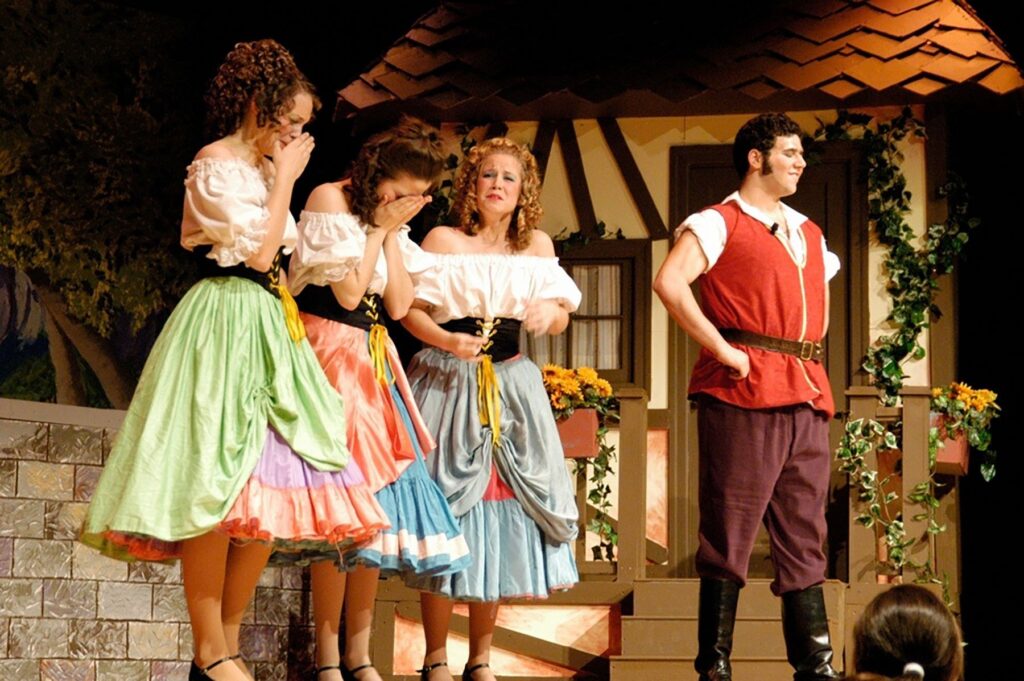
- Blend old-fashioned fabrics resembling those from the period with contemporary materials for both lasting and chic.
- Stack your outfits so you can change the look on stage.
- Use accessories such as hats, belts, or costume jewelry to instantly change a character’s look.
- Make rich and complex period costumes less complicated to allow for great movements.
- Wear the costumes during the rehearsals to test if they are functional and comfortable.
Collaboration Across Creative Teams
Costume design is not undertaken in isolation; rather, it is part of a larger collaborative endeavour that involves many members of a production team. Effective collaboration between all of the following is necessary if costumes are to be successful in communicating a production’s overall concept: directors, actors, other designers, and the prop-maker who may be required to make items that are worn or carried by the actor. Costume designers must be able to take an interpretative risk while at the same time remaining faithful to the values of authenticity and pragmatism.